
The Trump administration plans to eliminate the policy of deferring to prior approval decisions when reviewing extension applications for work visas such as the H-1B; under the new rule, U.S. Citizenship and Immigration Services (USCIS) would be required to re-examine eligibility even if the applicant’s employer, position, and working conditions remain unchanged. The Department of Homeland Security (DHS) estimates that the new rule will affect approximately 208,000 work visa extension applications annually—about 75% of which are H-1B visas—potentially leading to longer processing times, an increase in Requests for Evidence (RFEs), and greater uncertainty for foreign workers and businesses.
According to Newsweek, the DHS has submitted the proposed rule to the Federal Register; it is scheduled for publication on the 14th, followed by a 30-day public comment period.
The new rule aims to rescind the “Deference to Prior Approvals” policy implemented by the Biden administration in 2024. Under current policy, if the applicant, employer, and working conditions match those of a previously approved petition, USCIS adjudicators generally accept the prior approval decision as valid, unless they discover material errors, substantial changes in circumstances, or new adverse information.
However, under the new proposal, USCIS adjudicators would no longer be permitted to use prior approvals as a starting point for review; instead, they would be required to independently evaluate each extension application. This means that even if a foreign employee has worked for the same company in the same role for years, they could still be required to resubmit proof of eligibility.
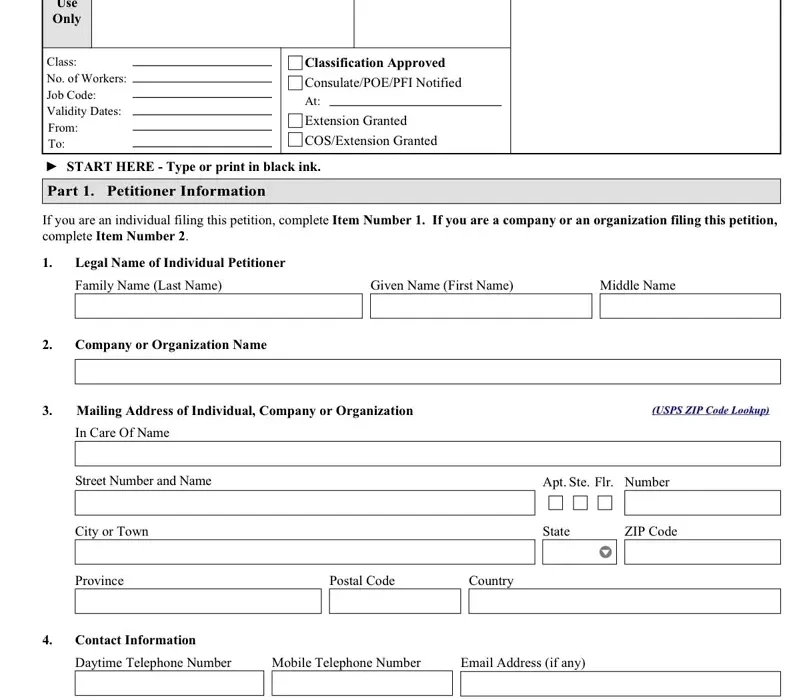
The scope of the new rule extends beyond H-1B visas. Holders of various work visa categories who apply to extend their stay in the U.S. via Form I-129 could be affected, including H-2A agricultural workers, H-2B seasonal workers, L-1 intracompany transferees, O-1 individuals with extraordinary ability, P-category visas for performers and athletes, R-1 religious workers, TN visas for Canadian and Mexican professionals, and certain E-category visa holders. The DHS stated in its proposal that the current system may undermine the oversight function of immigration vetting; the new rule aims to strengthen scrutiny, uphold the integrity of the immigration system, and protect the interests of U.S. workers.
However, immigration policy experts and attorneys criticize the new rule, warning that it could mirror the situation during the Trump administration’s first term, leading to a surge in Requests for Evidence (RFEs), processing delays, and denied renewals.
Stuart Anderson, Executive Director of the National Foundation for American Policy, stated that discarding the principle of deferring to prior approvals effectively requires USCIS to re-question facts already established as valid. Anderson warned that forcing U.S. companies to lose experienced foreign employees would only weaken their competitiveness and potentially drive them to shift more resources overseas in search of a more stable hiring environment.
Elissa Taub, a partner at the Tennessee-based immigration law firm Siskind Susser, noted that even as a mere proposal, the rule could heighten anxiety among foreign workers regarding the stability of their status. She pointed out that USCIS already possesses the authority to challenge or deny cases involving suspected fraud or ineligibility; abandoning the principle of deference to prior approvals would subject every H-1B extension to greater uncertainty.